

A new study analysing more than 2.3 million workplace injury claims has highlighted a growing concern for Australian industries: extreme temperatures are driving preventable workplace injuries at a significant cost to both workers and employers.
According to researchers from Charles Darwin University, The University of Adelaide, and Monash University, 39,000 workplace injuries over recent years have been linked to extreme heat. These injuries come with a staggering annual price tag of $94 million, factoring in lost productivity, medical costs, and the wider economic burden.
And the challenge isn’t going away. Under high-emission climate scenarios, researchers project that heat-related injuries could increase by more than 25% by 2050. For industries like mining, construction, utilities, infrastructure, and oil & gas—where workers already face physically demanding tasks in harsh environments—this signals an urgent need for proactive prevention.
Why heat matters for workplace safety
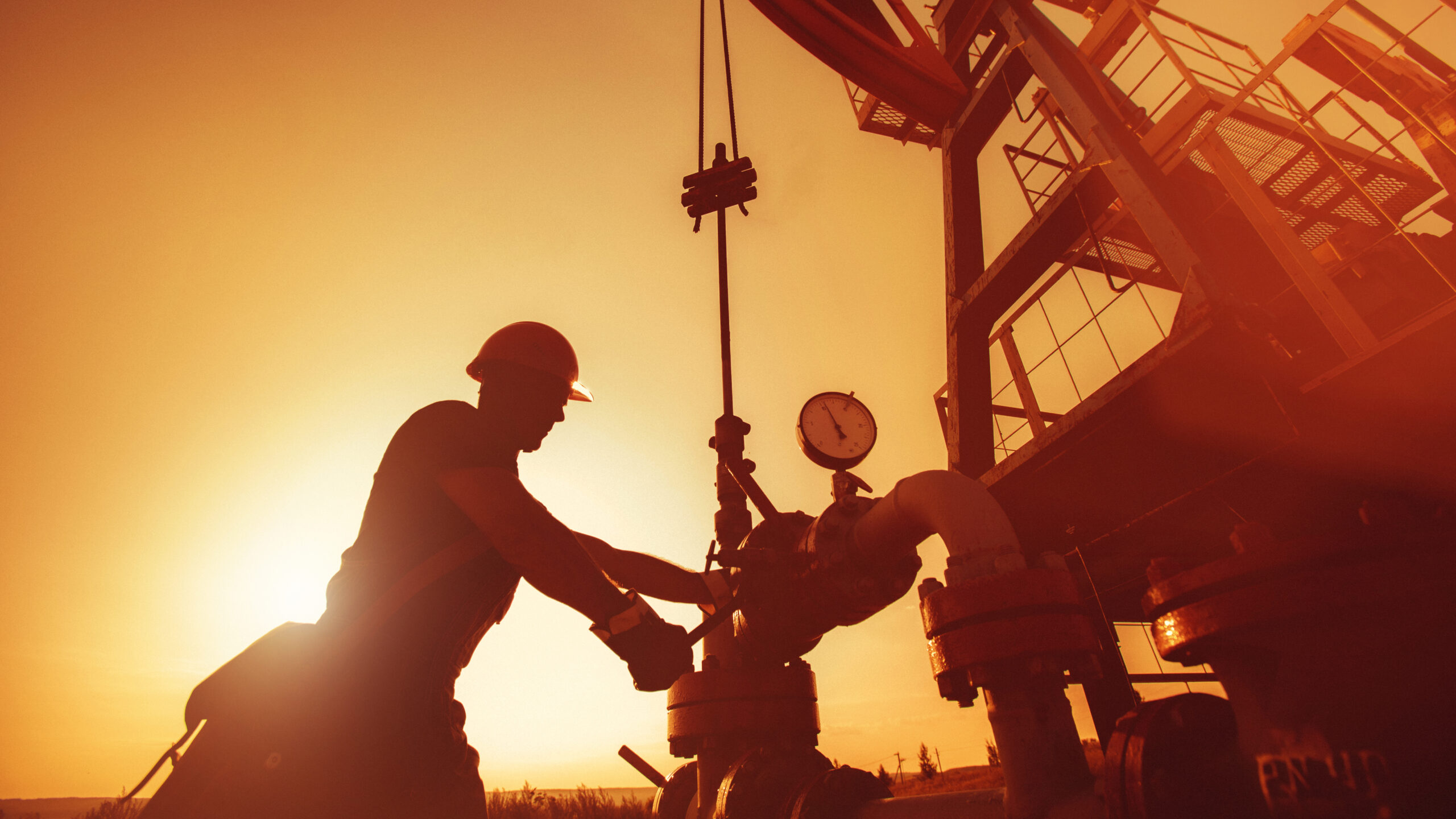
Heat stress doesn’t just mean discomfort. It directly affects worker performance and safety:
- Cognitive function declines, leading to slower reaction times and reduced decision-making accuracy.
- Physical performance suffers, increasing fatigue and the likelihood of mistakes.
- In severe cases, workers are at risk of heat exhaustion or heat stroke, both of which can be life-threatening.
For employers, this means higher risks of incidents, costly downtime, and reputational damage. For workers, it’s about health, wellbeing, and safety on the job.
Proactive solutions are essential
Traditional approaches often rely on retrospective incident reporting or generalised risk assessments that don’t capture real-time, individual risk factors. What workplaces need is data-driven, proactive tools that allow supervisors and health & safety managers to act before heat stress leads to an incident.
That’s where MX3 comes in.
MX3: Supporting Heat Stress Prevention
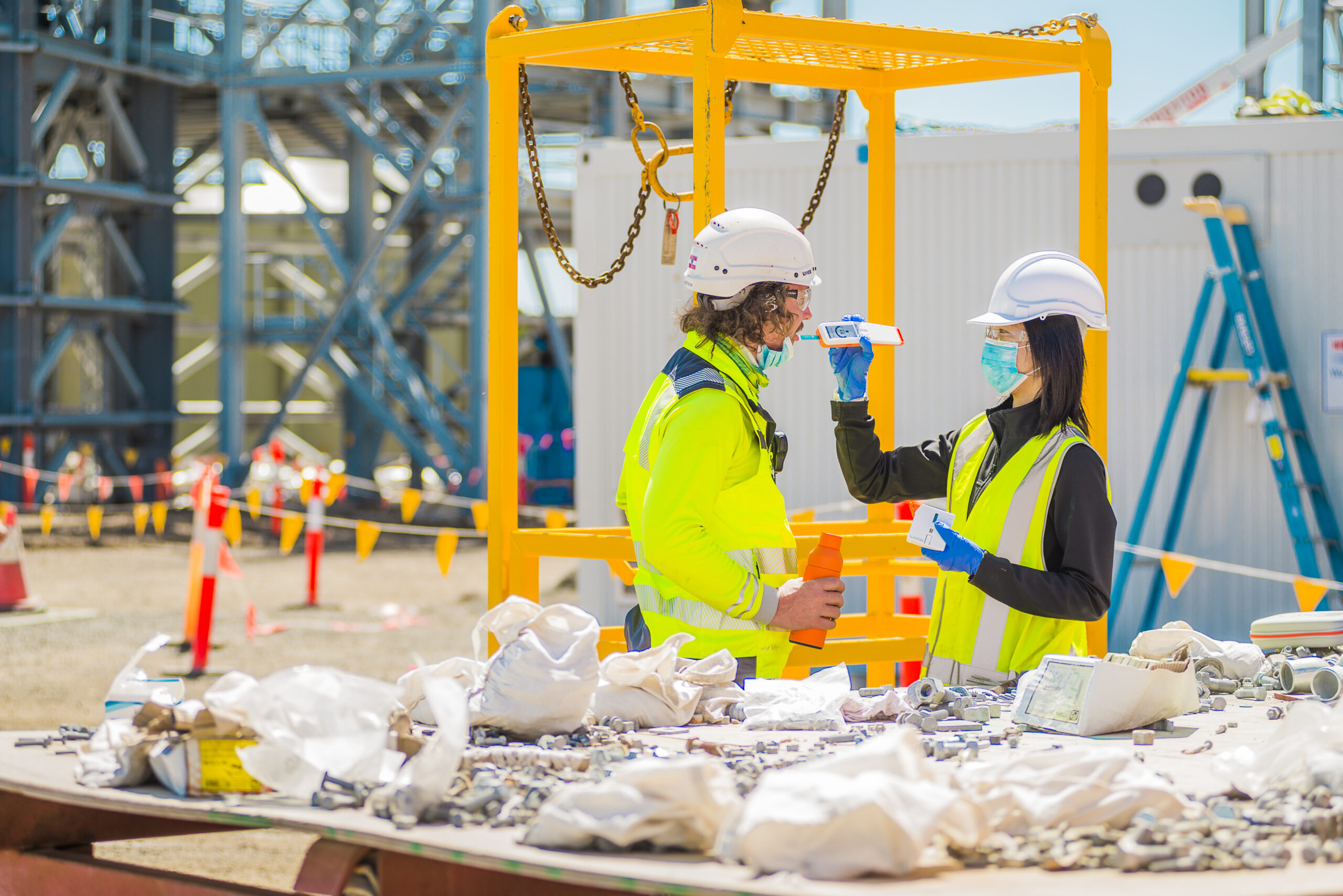
At MX3, we help organisations take the guesswork out of heat safety. Our portable hydration testing system provides fast, objective, and non-invasive measurements of hydration status, enabling:
- Proactive intervention before dehydration and heat stress occur.
- Better compliance with safety programs through reliable hydration records.
- Improved productivity, with workers staying safer, sharper, and more effective on the job.
By combining hydration monitoring with real-time insights and integration into safety management systems, MX3 helps organisations meet their zero harm goals, safeguard worker wellbeing, and manage the rising risks posed by extreme temperatures.
The way forward
As climate change continues to drive hotter and more extreme working environments, investing in proactive heat stress management is no longer optional—it’s essential. Research is clear: without change, costs will rise, incidents will increase, and the burden will grow.
With data-driven solutions like MX3, organisations have the tools they need to protect their people, reduce risk, and build a safer, more resilient workforce.