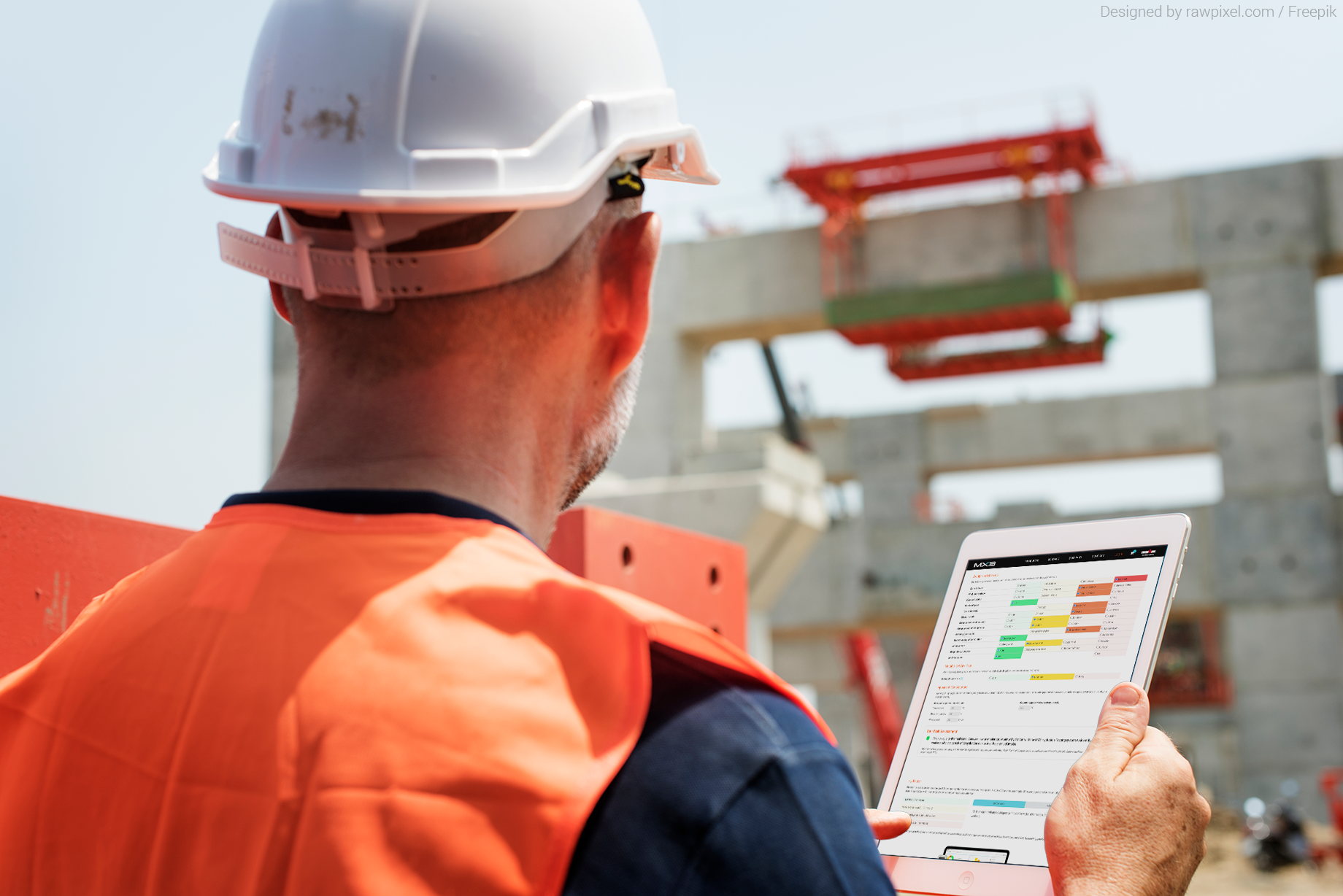
The world is entering a new climate reality — one where extreme heat is no longer a rare event, but a regular and escalating threat to worker health and productivity.
According to a joint 2025 report by the World Health Organization (WHO) and the World Meteorological Organization (WMO), over 70% of the global workforce is now exposed to heat-related risks. For industries like mining, construction, infrastructure, and energy, the implications are immediate and serious.
The Hidden Costs of Rising Heat
The report highlights a clear trend: as temperatures climb, so do health risks and operational costs.
- When temperatures exceed 38°C, the body’s ability to regulate heat is overwhelmed, increasing the risk of dehydration, kidney strain, and heat stroke.
- For every 1°C rise above 20°C, worker productivity drops by around 2%.
- And when temperatures hit 30°C or higher, accidents rise by up to 7% due to fatigue, impaired focus, and slower reaction times.
What was once considered “heat stress season” is now extending across most of the year — creating a need for ongoing, data-driven management rather than seasonal interventions.

From Reactive to Proactive Heat Stress Management
Traditional approaches to heat stress management — such as generic risk assessments or self-reporting — often rely on delayed or subjective information. By the time a worker feels unwell, dehydration and heat strain are already affecting performance and safety.
A proactive approach means identifying physiological risks before symptoms appear. Objective tools that track hydration status in real-time allow safety teams to make informed decisions — about work pacing, rest breaks, and rehydration — before incidents occur.
The Role of Technology in Prevention
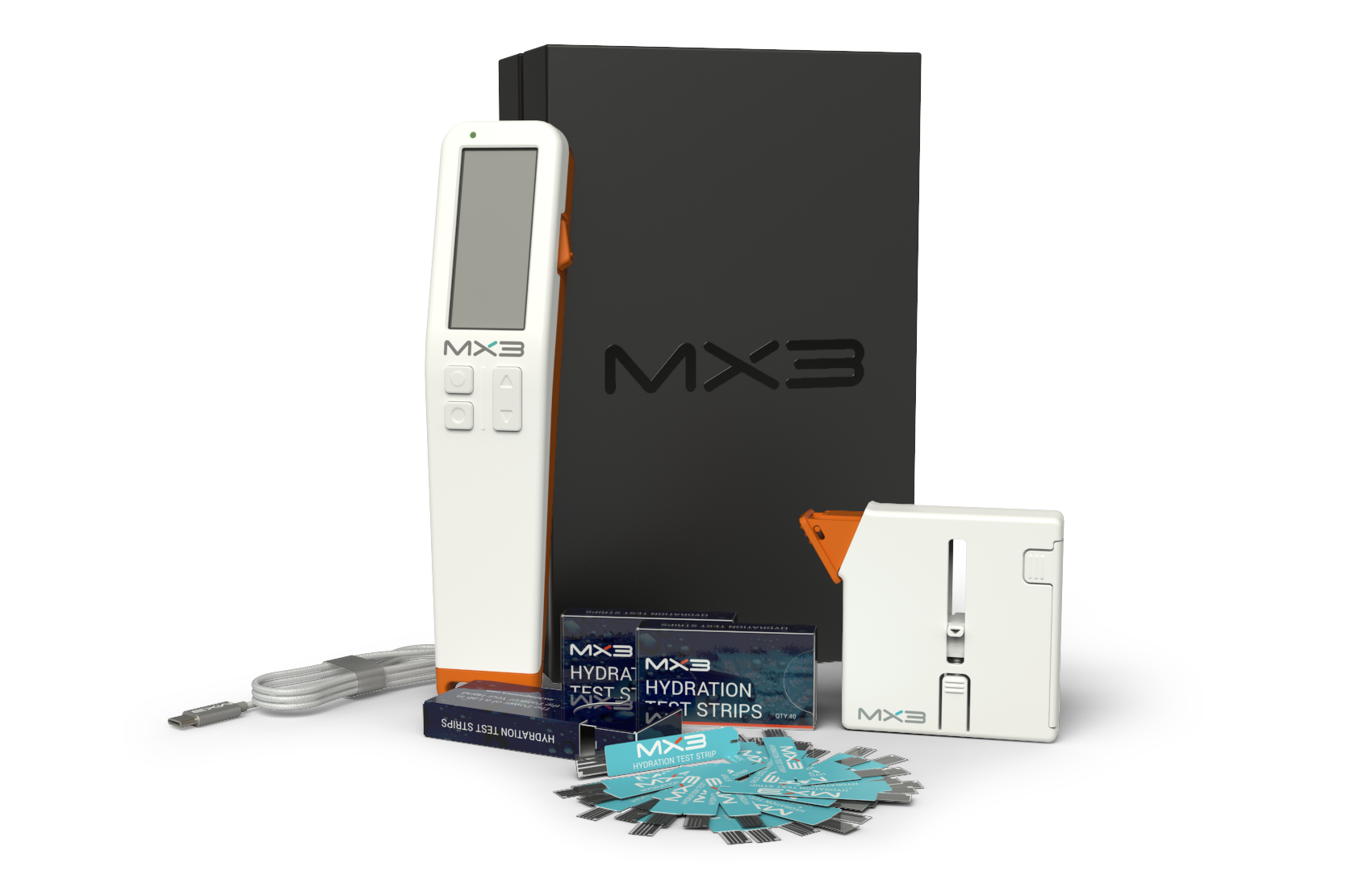
Advancements in workplace health technology are enabling a shift toward measurable and preventative safety strategies. With systems that provide immediate feedback on hydration, occupational health professionals can track team wellbeing more accurately, customise interventions, and maintain performance in challenging environments.
As global temperatures continue to climb, hydration testing and monitoring will become as fundamental to safety programs as PPE and environmental sensors.
A Call to Action
The WHO and WMO’s warning is clear: heat is now one of the most significant occupational hazards of our time. The industries that adapt early — by integrating data-driven tools and proactive safety measures — will be best equipped to protect their workforce, maintain productivity, and meet their duty of care.
Extreme heat isn’t the future — it’s the present. The question is whether our workplace practices will keep up.